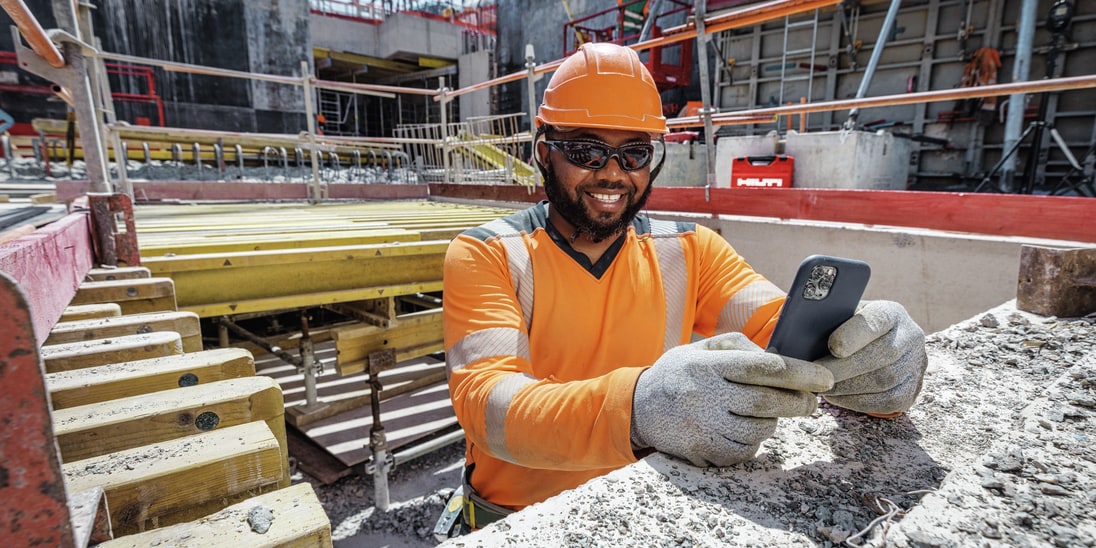
What Keeps Restoration Projects Moving?

What Keeps Restoration Projects Moving?

Produced by Hilti Group | 12 November 2026

A damaged concrete surface. A structure exposed to corrosion. A silo that needs to be renovated. These are the kinds of challenges BeKor’s teams have been taking on since 1999. Specializing in concrete repair, coating and corrosion protection, the company renovates buildings and silos.

Based near Hamburg, Germany, BeKor puts around 1,000 Hilti tools through continuous, demanding use. Birk Schmidt has been with the company for eleven years and oversees procurement at the Hamburg site. He shares: “We always operate the equipment at maximum performance. That level of intensity inevitably takes its toll, making maintenance, calibration and repairs a regular part of keeping our tool park operational.” And when equipment becomes unavailable, a team is left waiting and the task dependent on it is delayed.

Planning for the Expected and the Unexpected

The nature of BeKor’s projects brings various layers of complexity. With more than 200 employees, keeping equipment available across multiple locations is an ongoing challenge. Their teams depend on hundreds of tools to deliver projects having carefully coordinated schedules.

Keeping restoration projects moving requires BeKor to plan for both the expected and the unexpected.

The expected is that the necessary equipment changes from one project to the next. One project may depend on tools in regular use, while another may call for a specialized tool for only a short period. At the same time, equipment in regular use may need maintenance or repair.

Then there is the unexpected. Equipment theft is a recurring reality for BeKor. Beyond the loss of the tool itself, a theft can leave a team without the tool it needs, create additional administrative work and put planned activities at risk of delay.

For Birk Schmidt the overall challenge is to plan equipment orders efficiently and on time while also steering through these challenges.

That is why “better to have than to need" is the motto that runs through the company, Birk emphasizes. However, having does not necessarily mean owning the tools as more than a decade ago, BeKor decided to manage this challenge differently.

A Different Way to Stay Ready

BeKor changed the way it managed its tools, moving away from outright purchases and adopting Hilti Fleet Management. This gave them a more flexible way to support their everyday equipment needs.

Nothing is as expensive as downtime on the construction site, which is why we regularly use Hilti's rental tools and services. The flexibility provided through Fleet Management helps us keep downtime to a minimum and reduces risks in project management.

Birk Schmidt, Purchasing Manager, BeKor

Short-term equipment needs are part of BeKor’s everyday project work. When a project requires a specialized tool or is missing a specific tool because it was stolen, Birk Schmidt uses the Tools on Demand service, orders the tools required for a certain period and returns them once the work is complete.

"We simply book for the required period. I order the tools by 1 p.m. and the next day they are where they are needed," says Birk. He continues: "The rental costs are significantly lower than the cost of purchasing and we avoid storage and maintenance costs.”

He further adds, “I can have this equipment delivered directly to the construction site and allocate it to the relevant project and cost center. It's a win-win situation, because we only pay for the period that the tools are with us and I have clear accounting allocation."

Daniel Nieber and Birk Schmidt

Daniel Nieber and Birk Schmidt (from left to right)

Knowing Where Every Tool Is

Keeping tools available is one challenge. Knowing where they are is another. With around 1,000 Hilti tools being used by close to 200 workers, maintaining a clear overview across projects is a considerable task for BeKor.

For Daniel Nieber, a mechatronics technician at BeKor, keeping track of that information once meant relying on colleagues’ memories and manually completed lists.

We now use ON!Track. Without this software, I could no longer imagine administration. It's the perfect complement to fleet management.

Daniel Nieber, Mechatronics Technician, BeKor

QR codes and Bluetooth tags help Daniel and his colleagues see where a tool was last recorded, who is using it and when maintenance or replacement is due.

Automated detection of devices in the warehouse with the gateway

Automated detection of devices in the warehouse with the gateway.

Registration of devices via QR code

Registration of devices via QR code

So when a tool is needed for a project or due for service, Daniel no longer has to start by searching the storage area or asking around. He can check ON!Track. For BeKor, that means less time spent looking for equipment and more time keeping its tool park ready for the work ahead.

This is how BeKor keeps their restoration projects moving: by staying ready, adapting to changing needs and keeping their teams focused on the work to be done.