How Bamboo Research Helps Build Safer Homes

Marla Kohli has always been fascinated by bamboo. Growing up in Peru, she loved walking through the historical center of Lima, where she discovered that it was a component in many of the city’s most beautiful buildings. 

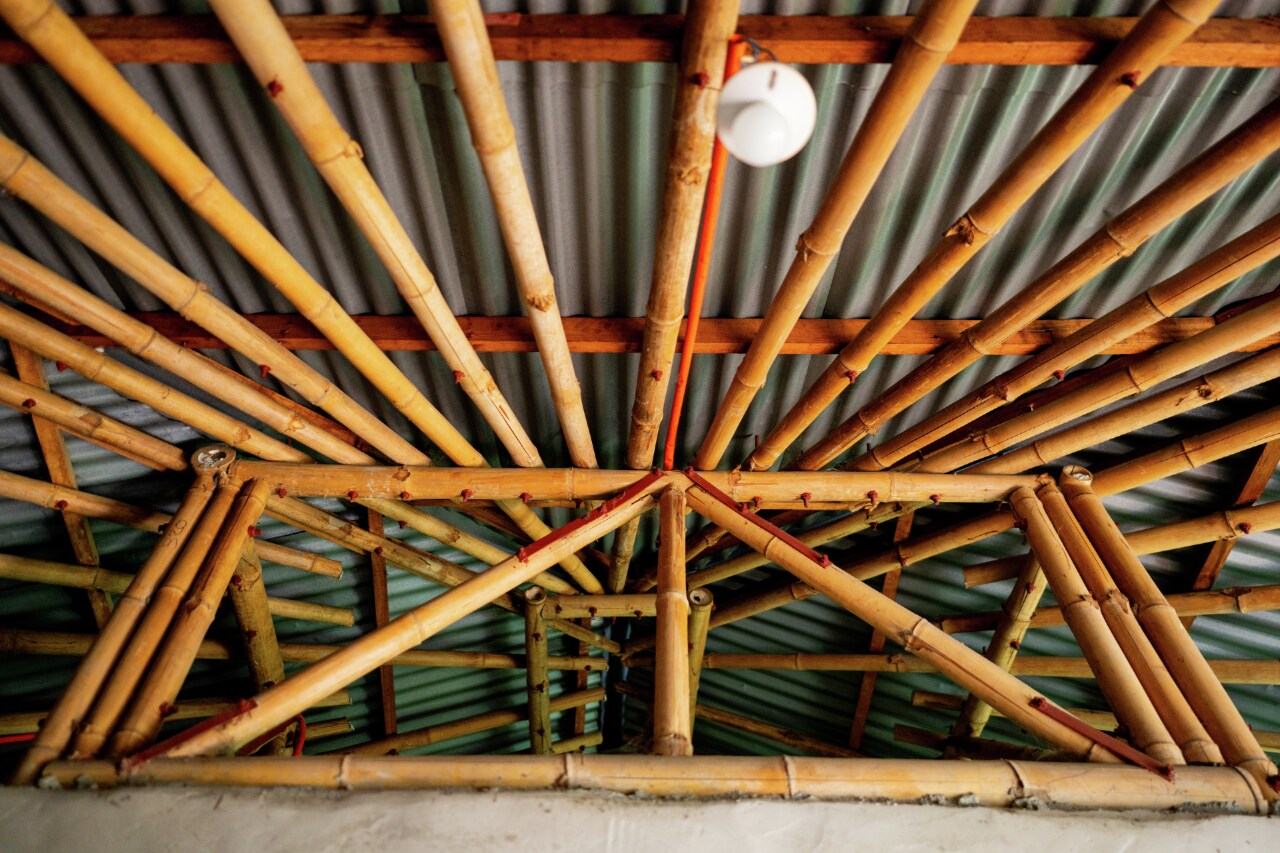
As she began to think more about it, she realized that bamboo’s true strength went far beyond its appearance. Lima’s buildings have stood for centuries, resilient even to frequent earthquakes, thanks to an ancient construction technique known as “vernacular bahareque.” It works by covering bamboo frames with earth, creating a building style that is affordable, practical and long-lasting.

After spending 14 years in Peru, Marla moved to Switzerland at the age of 18 and began studying civil engineering at ETH Zurich. When she began her master’s degree, her thoughts drifted back to Peru’s bamboo-building traditions. That reflection sparked an idea — one that eventually led her to the Philippines, a country similarly vulnerable to natural disasters. There, she began to collaborate with BASE Bahay, a Hilti Foundation initiative focused on bamboo construction.

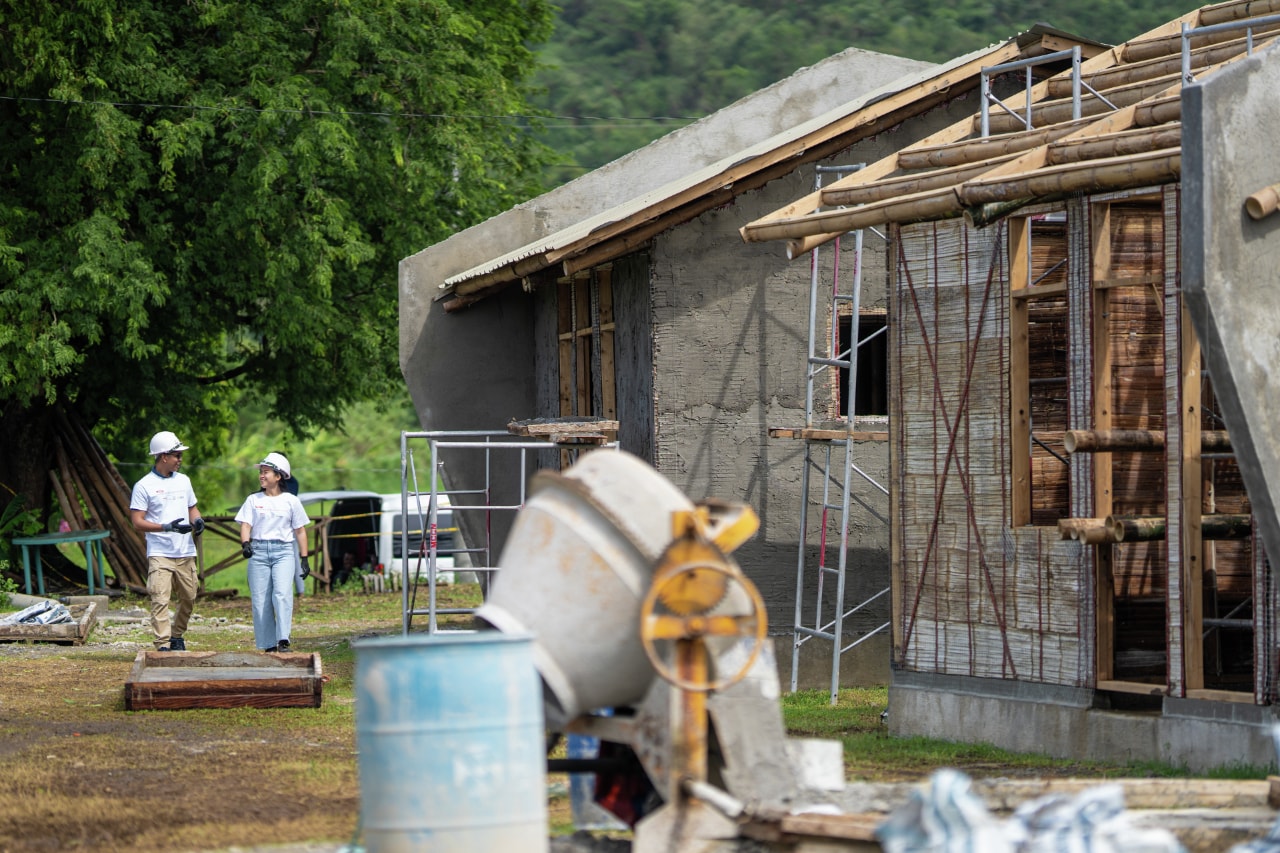
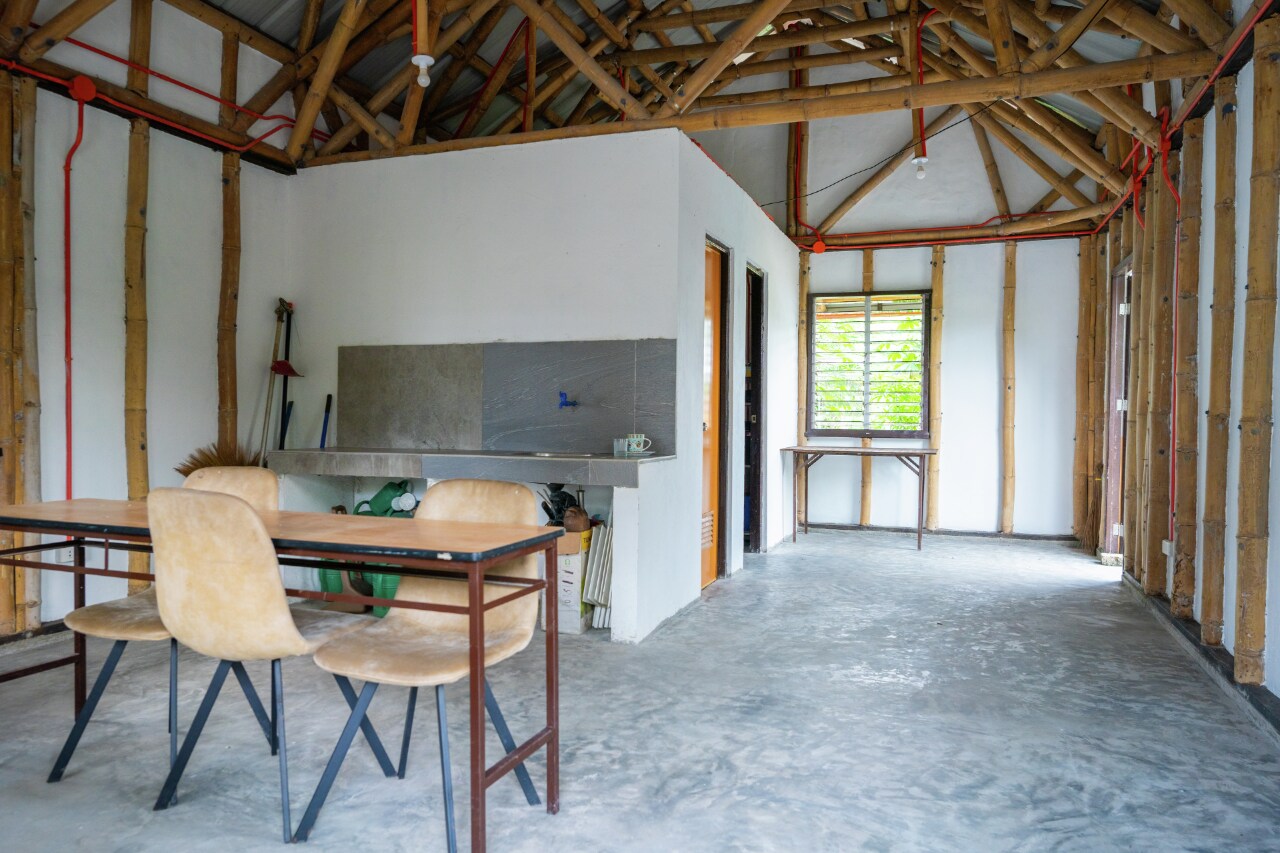
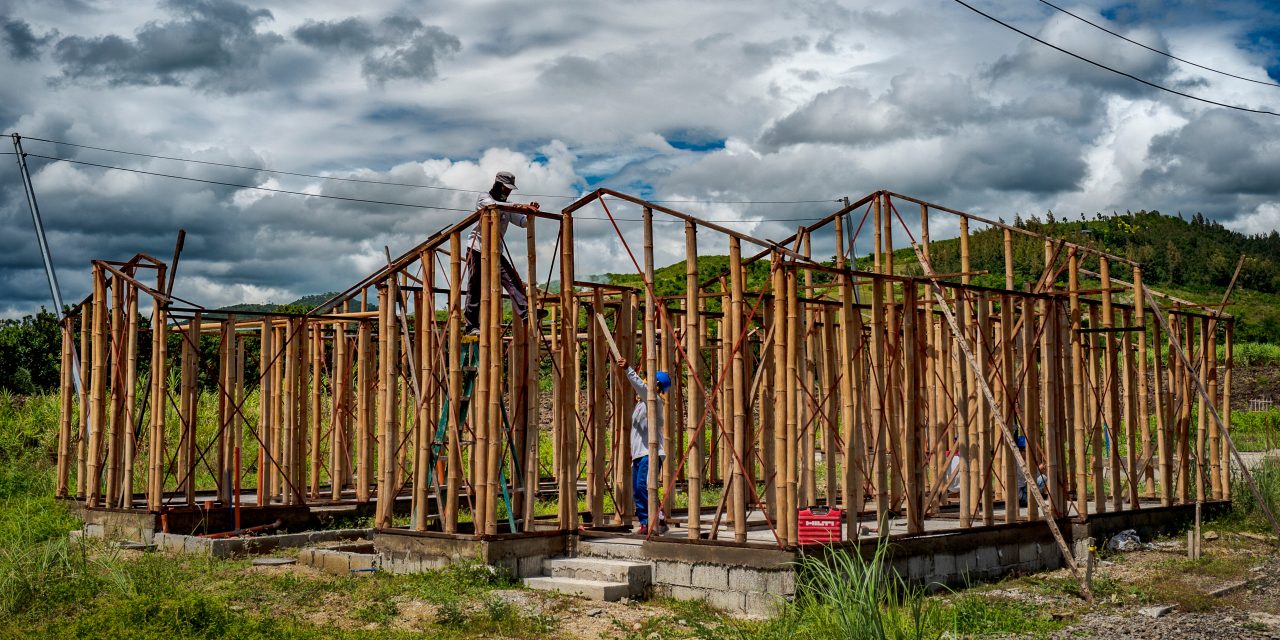
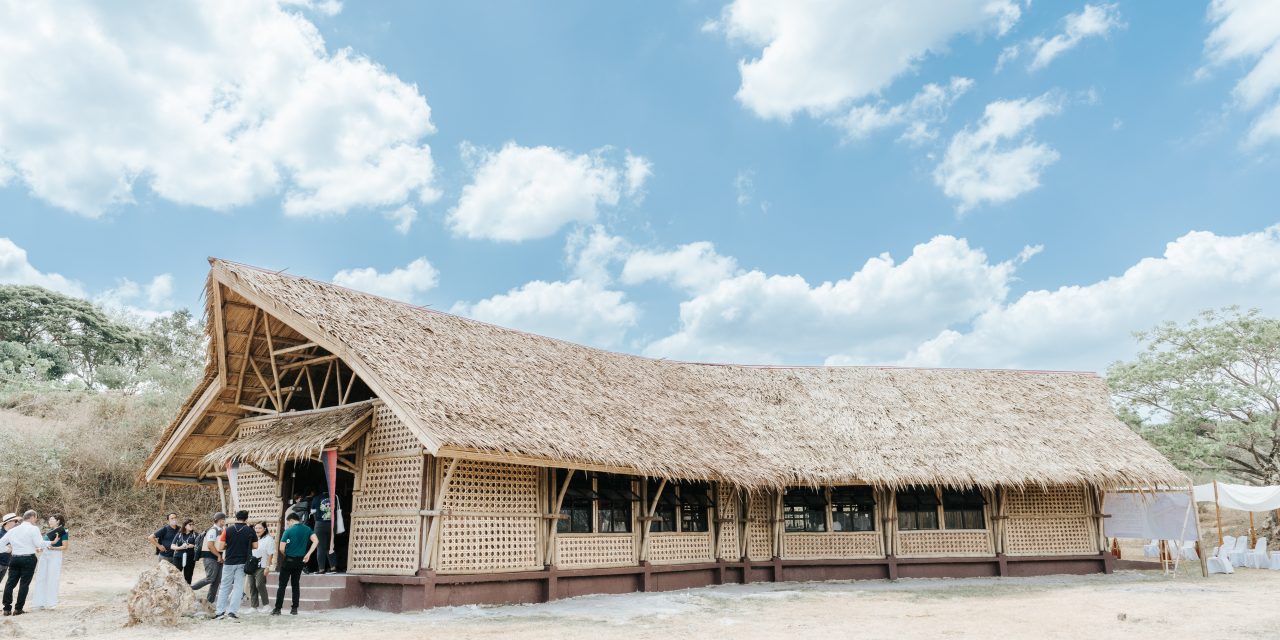
In 2012, Hilti developed what it calls “Cement Bamboo Frame Technology” — a bahareque-inspired method that is budget-friendly, sustainable and resilient. Beyond its technical strengths, it also offers a potential housing solution for low-income families across the bamboo-growing regions of the Global South. Hoping to explore other construction methods using bamboo, the Hilti Foundation founded the BASE Innovation Center in Manila in 2021.

"Bamboo was not taken seriously by engineers for one simple reason," says Luis Felipe Lopez, general manager at BASE Bahay. "There is no bamboo in the areas where modern engineering practices were developed."

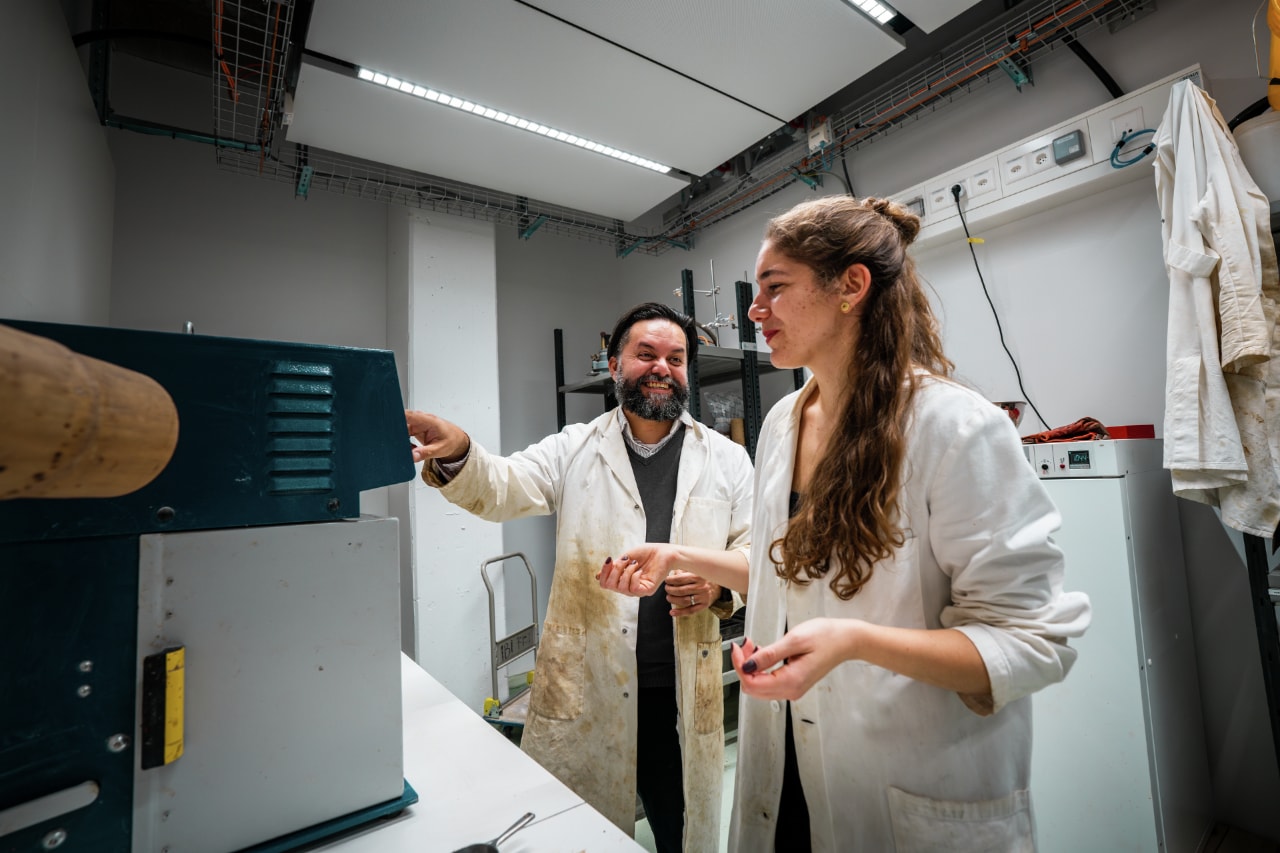
To overcome this challenge, BASE began working with universities around the world – including ETH Zurich, where research had been limited by the expense of importing bamboo. Thanks to BASE’s experienced team, Marla developed her master’s thesis entitled “What insights can cement bamboo frames glean from vernacular bahareque?” Her thesis went on to win a top prize at the ETH.

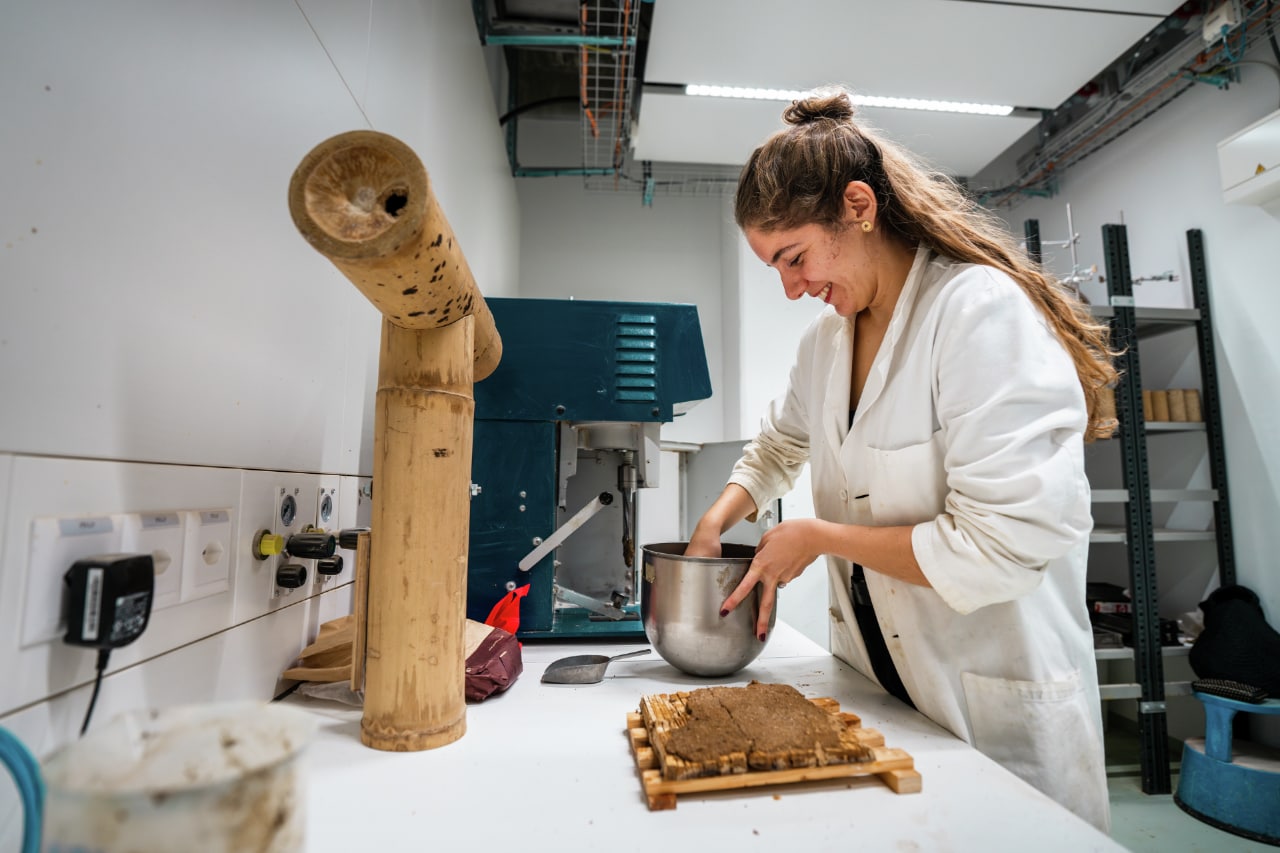
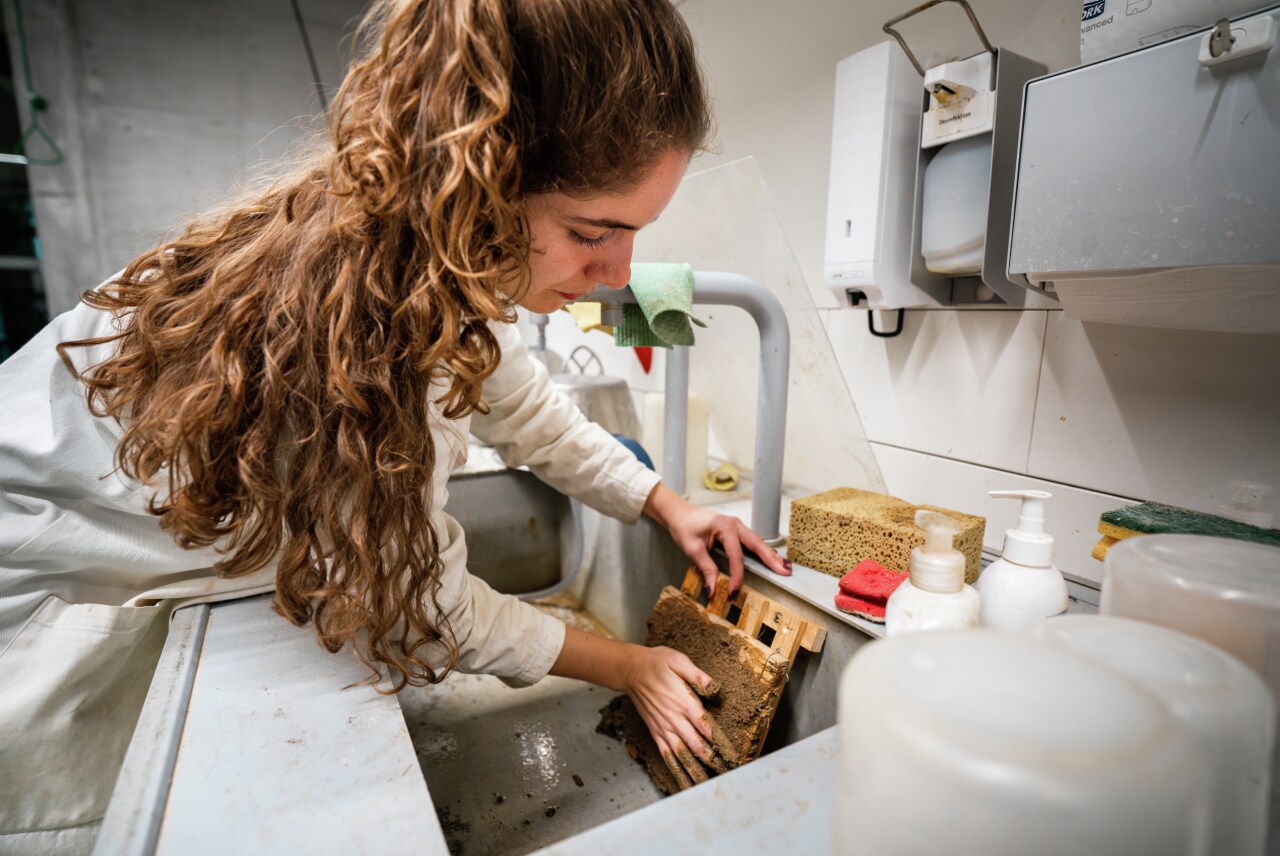
In her research, Marla tested different wall designs made from bamboo frames to see how they held up against earthquakes and typhoons. Her key discovery was that bamboo frames coated with an earthen plaster – rather than cement – could withstand natural disasters while also being more environmentally friendly and providing people with long-lasting housing opportunities.

“You see the people, you speak to them, and you can see how they truly have a better life. It showed me that the impact of the research we are doing really can have tangible consequences,” shares Marla.

Although more studies are needed, the findings are an important step forward. “The most important part of Marla’s thesis is that she was able to show that earthen plaster can work just as well as cement,” says Lopez. “It’s changed the perception that cement is the only solution.”

Alongside all the advancements made in construction, Marla Kohli’s research shows how traditional building techniques can better inspire modern solutions – helping to create safer, more sustainable homes.